


How High Can You Legally Lift a 4WD in Each Australian State?
How High Can You Legally Lift a 4WD in Each Australian State?
One of the most common questions from 4WD owners is how high they can legally lift their vehicle. The answer depends on where you live and how the lift is achieved.
Why Lift Limits Exist
Lift limits are in place to ensure vehicle safety, stability and roadworthiness. Excessive lift can impact braking, handling and visibility.
General Australian Guidelines
While exact limits vary, many states allow modest lifts without engineering approval. Larger lifts may require certification to remain road legal.
Disclaimer: While every effort has been made to ensure the accuracy of this information at the time of publication, laws and regulations may change. Vehicle owners should verify all modification requirements with their local state or territory authority to ensure ongoing compliance.
New South Wales (NSW)
-
Up to 75mm total lift without engineering
- 50mm suspension
- 25mm from tyres
- Anything above → engineering certification required
Victoria (VIC)
- Same as NSW:
- 75mm total lift allowed without certification
- (50mm suspension + 25mm tyres)
Queensland (QLD)
- Up to 75mm total lift without certification
- With engineering:
- Up to 150mm total lift (including body lift)
👉 Example:
- 50mm suspension + 25mm tyres = legal without mod plate
- 100mm suspension + body blocks = requires certification
Western Australia (WA)
- Generally stricter:
- Around 50mm total lift without engineering
- Some sources split this as:
- 25mm suspension + 25mm tyres (approx rule of thumb)
South Australia (SA)
- Typically:
- Up to 50mm lift without engineering
- Beyond that → certification required
Tasmania (TAS)
- Similar to SA:
- ~50mm without engineering
- Must comply with inspection standards
Northern Territory (NT)
- More lenient:
- Up to ~100mm without engineering (varies by setup)
Australian Capital Territory (ACT)
- Similar to SA/TAS:
- ~50mm without engineering
- Must comply with ACT modification rules
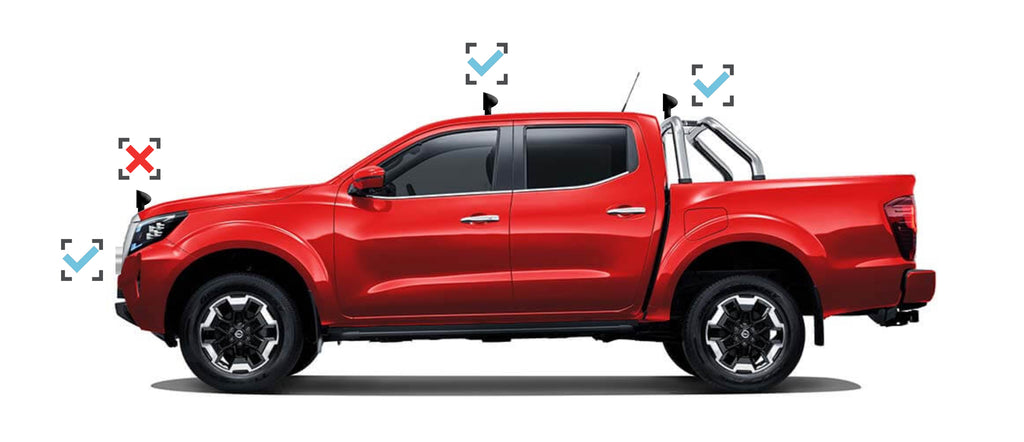
How Lift Height Is Measured
Total lift can come from suspension, tyres and body modifications. Regulations typically consider the combined increase rather than just one component.
Key Factors That Affect Legality
- Suspension lift amount
- Tyre size increase
- Overall vehicle height
- Engineering approval requirements
State-by-State Differences
Each state and territory may apply slightly different rules. It is important to check local requirements before modifying your vehicle.
Common Mistakes
- Assuming rules are the same nationwide
- Ignoring tyre size impact
- Not accounting for combined lift height
Staying Compliant
To stay compliant, plan your build carefully and consider how each modification contributes to overall lift. When in doubt, seek professional advice.
Final Thoughts
A lift can improve capability and usability, but it must be done within legal limits. Understanding the rules helps avoid issues down the track.
Talk to the team at Brixton 4x4 to choose the right setup for your vehicle.