


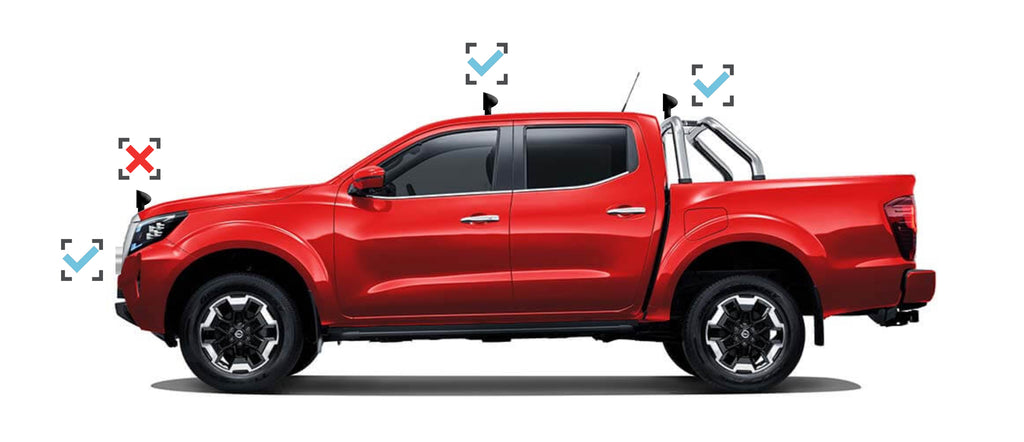
Stock vs Built: How to Transform Your 4x4 for Touring, Towing & Off-Roading
Stock vs built — every 4x4 owner eventually asks the question. Your vehicle rolled out of the factory set up for the average driver, on the average road, carrying an average load. The moment you start loading up for a serious touring trip, hitching up a camper trailer, or pointing the nose at a rutted-out track, "average" stops cutting it. Transforming your 4x4 from stock to built isn't about chasing looks — it's about matching your vehicle's capability to what you're actually asking it to do.
This guide walks through what separates a stock 4x4 from a properly built one, and breaks down the upgrade categories that matter most for touring, towing and off-roading — suspension, protection, recovery, wheels and tyres, and lighting and electrical. Whether you're planning a staged build over a year or want to know where to start, this is your roadmap.
Stock vs Built: What's the Real Difference?
A stock 4x4 is engineered as a compromise — comfortable enough for the school run, capable enough for a gravel driveway, and rated to a payload that assumes a mostly empty tray or boot. Add a canopy, a fridge, recovery gear, water, fuel and a family's worth of camping kit, and most stock utes and wagons are sitting well past their factory GVM before they've even left the driveway.
A built 4x4 has been upgraded specifically for the load it's carrying and the terrain it's covering. That means:
- Suspension matched to your actual laden weight, not the factory average
- Underbody and frontal protection for the terrain you're actually driving
- Recovery gear rated for your vehicle's weight, not a generic set
- Wheels and tyres suited to touring distances or technical off-roading, not showroom aesthetics
- Lighting and electrical capacity that supports fridges, camping setups and night driving
None of this happens in one weekend. Most experienced 4x4 owners build in stages, starting with the upgrades that affect safety and load-carrying capacity first.
Suspension: The Foundation of Every Build
Suspension is almost always the first upgrade, and for good reason. Factory suspension is tuned for an unladen vehicle. The second you add a canopy, drawers, a bull bar and camping gear, that factory ride height and spring rate is no longer doing its job — you'll notice sag at the rear, harsh handling under load, and reduced ground clearance exactly when you need it most.
A properly specced suspension upgrade — matched to your actual accessory and payload weight — restores ride height, improves load-carrying capacity, and gives your 4x4 the ground clearance and articulation to handle rougher tracks.

EFS is one of Australia's most trusted suspension brands, with coil springs, leaf springs and shock absorbers engineered specifically for load-bearing applications — meaning you can match your spring rate to how much gear you're actually carrying, rather than guessing. EFS products are backed by a comprehensive manufacturer's warranty, giving you confidence in the durability of a suspension upgrade built for serious use.

For owners wanting a complete, engineered package rather than piecing together individual components, Outback Armour suspension kits bundle springs and shocks tuned together for touring, towing or expedition-style use.

Browse the full range in our Outback Armour lift kits and suspension collection.
Bull Bars and Recovery: Protection Up Front
A bull bar is one of the most visible signs of a built 4x4, and it earns its place for good reason — it protects the front of your vehicle from wildlife strikes, provides mounting points for a winch, driving lights and aerials, and gives you somewhere safe to attach recovery points.

Rival 4x4 builds bull bars from high-strength aluminium — a genuine weight saving over steel without sacrificing structural integrity, which matters when you're already adding payload elsewhere in the build. Explore the full Rival 4x4 range or browse all fitment options in our bull bars collection.
No touring or off-road build is complete without recovery gear rated to your vehicle's actual weight. A kinetic recovery rope or snatch strap, rated correctly, is one of the cheapest and most important upgrades you can make before heading off-grid.

Underbody Protection: Built for the Terrain You Actually Drive
Bash plates and underbody armour protect your fuel tank, transmission, transfer case and steering components from rocks, ruts and washed-out tracks. This is where the stock vs built difference becomes obvious — factory underbody protection (where it exists at all) is minimal, while a properly armoured vehicle can shrug off impacts that would otherwise mean an expensive tow home.


Rival's aluminium transmission armour is a good example of built-for-purpose protection — lighter than steel, but engineered specifically for the terrain you're likely to encounter on serious touring or off-road tracks. Full fitment options are in our underbody protection collection.
Exterior Protection: Fender Flares and Body Armour
Wider tyres, more aggressive approach angles and rougher tracks all mean more debris thrown up at your vehicle's panels. Fender flares aren't just a styling upgrade — they protect your guards from stone chips and mud, and on many builds they're needed to legally cover a wider track or tyre setup.

EGR is one of the most established names in fender flares and exterior protection for Australian utes, with fitments across the major dual-cab platforms. See the full range in our fender flares collection.
Wheels and Tyres: Where Touring and Off-Roading Diverge
This is one area where "built" looks different depending on what you're building for. A touring setup generally favours a strong, reliable all-terrain tyre and a wheel that prioritises durability and load rating over aggressive looks — you're covering long distances, often loaded to GVM, and reliability matters more than outright traction. A dedicated off-road build might lean toward a more aggressive mud-terrain tyre and a wheel designed for maximum strength under repeated impact.

ROH wheels are built specifically for Australian conditions, with load ratings suited to touring rigs carrying camper trailers, canopies and full touring setups. Browse fitment options in our wheels and tyres collection.
Towing, Storage and Payload Management
If towing is part of your plans — a camper trailer, boat or caravan — your build priorities shift again. Suspension needs to account for tow ball weight as well as payload, and a tray lid or canopy that locks down securely protects your gear while keeping weight distribution predictable.
A quality tray lid or roller cover also plays into security and weatherproofing for touring trips where you're leaving the vehicle unattended at camp or on the trail. Have a look through our tray lids and ute roller covers collection for fitment options across the major ute platforms.
Lighting and Electrical: Built for Life Off-Grid
A stock 4x4's electrical system is designed to run factory accessories — not a fridge, a UHF radio, driving lights, a winch and camp lighting all at once. Upgraded lighting improves your safety on unlit outback roads, and additional electrical capacity means your fridge stays cold and your batteries stay charged without draining your starter battery.

A driving light bar or work lights are one of the most practical additions to any touring or off-road build, extending visibility well beyond factory headlights. For recovery-heavy builds, a winch is also worth considering early — it's easier to fit before your bull bar is finished than to retrofit later.
Where to Start: A Sensible Build Order
If you're planning a staged build rather than doing everything at once, here's the order most experienced 4x4 owners follow:
- Suspension — get your ride height, load rating and handling sorted before adding weight elsewhere
- Bull bar and recovery gear — protection and recovery points come next, especially if touring remotely
- Underbody protection — armour up before you're tackling technical tracks
- Wheels and tyres — match your rubber to touring or off-road priorities
- Lighting, electrical and storage — round out the build for comfort and capability off-grid
Every build is different, and the right order can shift depending on whether towing, remote touring or technical off-roading is your priority. The common thread is this: get your suspension right first, because every other upgrade adds weight that your suspension needs to handle properly.
Ready to Start Building?
Whether you're planning your first upgrade or ticking off the final stage of a long-term build, the Brixton 4x4 team can help you get the fitment right for your vehicle. Browse our full 4x4 accessories and upgrades collection, or get in touch with our team for advice on sequencing your build.